Namibia: safari and desert between Etosha and the Namib dunes
An organized trip to Namibia featuring spectacular safaris, ancient dunes, and encounters with desert cultures.
Namibia is one of the most fascinating destinationsin Southern Africa: a land of vast horizons, profound silence, and landscapes that seem to belong to another planet. On this organized group tour, accompanied by expert guides on Africa, we explore some of the country’s most iconic sites via an itinerary designed to let you experience the desert and nature in an authentic yet accessible way. We’ll cross the Namib Desert, the oldest in the world, climb the red dunes of Sossusvlei and Deadvlei, and reach Etosha National Park, one of the best places in Africa for a safari to observe elephants, giraffes, rhinos, and lions in their natural habitat. The journey continues through extraordinary landscapes such as the granite mountains of Spitzkoppe and the colonial atmosphere of Swakopmund. It is an ideal itinerary for those who dream of Africa’s wide-open spaces but wish to travel with the peace ofmind thatcomes from a fully organized trip and the valueof a shared experience. Between safaris, encounters with indigenous peoples such as the Himba and the Bushmen, and nights in tented camps beneath one of the clearest starry skies on the planet, Namibia slowly reveals itself to our eyes and our hearts.
Departure from Italy, bound for Windhoek. Overnight stay on board. We begin this two-week journey through the most authentic and ancient parts of Africa.
Second day
Arrival in Africa: Welcome to Namibia Arrival in Windhoek after an overnight flight from Italy. After the transfer, we will reach a historic farm, a tangible testament to Namibia’s agricultural colonization. Here we will have dinner and spend the night, immediately beginning to savor the open spaces, the silence, and the atmosphere of the Namib Desert. Weather permitting, we will take a short excursion in the surrounding area to gradually attune ourselves to the African landscape.
Third day
Namib-NaukluftNationalPark: Exploring the Desert We set off for Namib-Naukluft National Park, one of the largest national parks on the planet. Located in western Namibia, the park covers part of the Namib Desert and the Naukluft Mountains. It is one of Africa’s largest national parks and home to some of the world’s most iconic desert landscapes, including the red dunes of Sossusvlei. During the journey, we will traverse various desert ecosystems, observing how the landscape slowly changes. Once we arrive, we will set up camp and take our first exploratory hike at sunset, when the desert changes color and comes alive with silence. Dinner and overnight stay at the camp.
Fourth day
The Olive Trail Canyon
After breakfast, we’ll hikethe Olive Trail, one of the most picturesque trails in the area, which winds through a canyon carved out by water and time.
Lunch in the bush—a term widely used in Africa to describe the wild, uninhabited wilderness, far from cities, roads, and infrastructure. In the afternoon, leaving the mountains behind, we’ll descend toward the sea of dunes of the Namib, exploring the Sesriem Canyon during the most magical hours of the day. We’ll continue to the campsite, set up camp, have dinner, and spend the night.
Fifth day
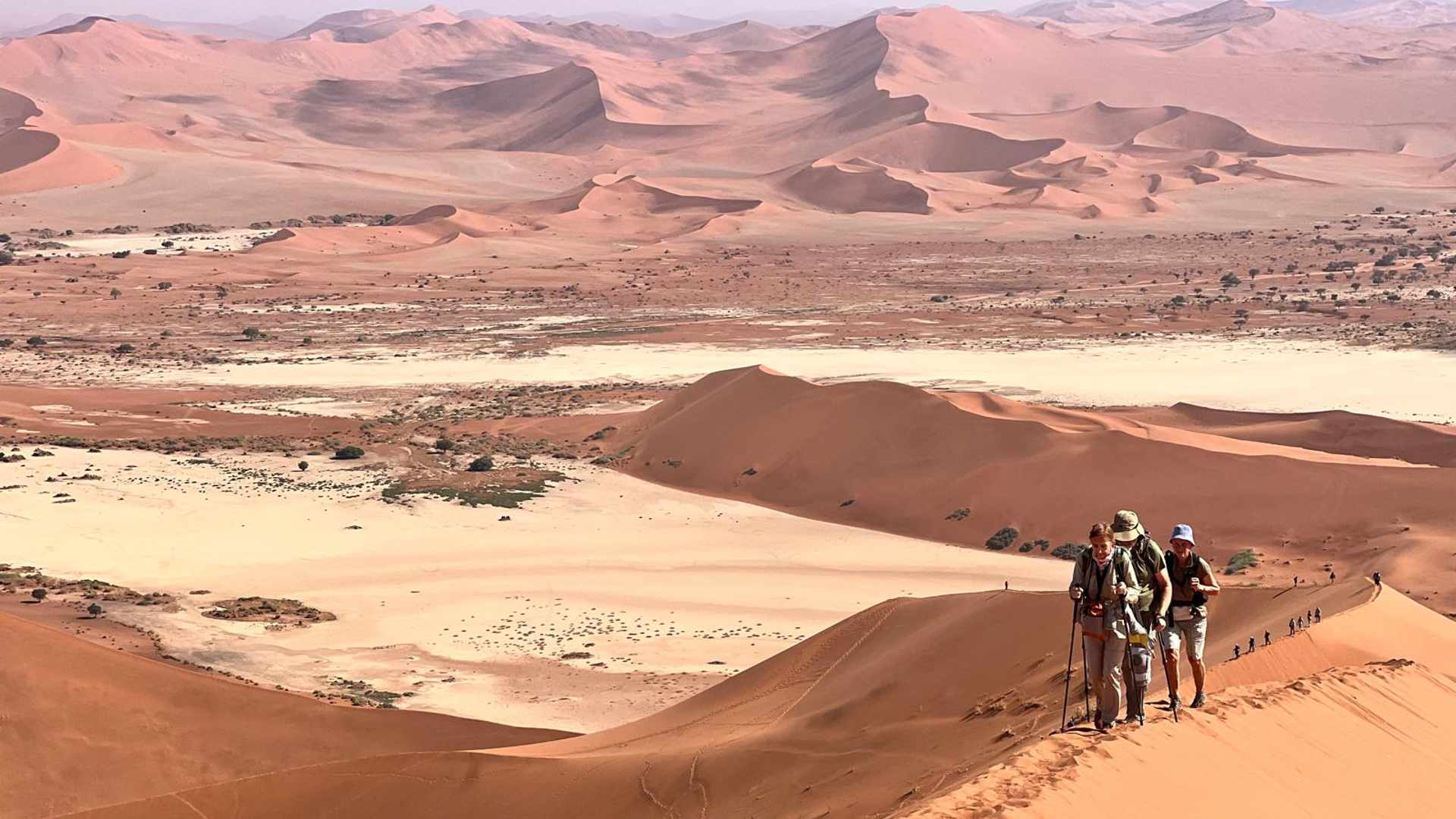
The Dunes of Sossusvlei We depart at dawn, when the light transforms the dunes into a play of hues ranging from red to pink to ochre. The entire day is dedicated to exploring Sossusvlei: we’ll climb up and down the dunes, walk through surreal landscapes and endless expanses, experiencing the desert with a sense of slow wonder. Return to camp for some relaxation, followed by a short excursion to Elim Dune, the last dune, to admire the sunset. Dinner and overnight stay at the camp.
Sixth day
Sea of Dunes and Stars After breakfast and breaking camp, we’ll head to a farm on the edge of the sea of dunes. From there, we’ll begin a trek on foot—a deep, silent exploration that will lead us to an extraordinary place: a campsite set atop the dunes, where we’ll have dinner and spend the night, surrounded only by sand, sky, and stars.
Seventh day
Swakopmund: From the Desert to the Ocean In the morning, we’ll return to our vehicle with a walk through the still-sleeping desert, then begin a day of transition between different landscapes.
Along the way, we’ll spot oryx, zebras, and the first Welwitschia mirabilis—a species famous for its unique trait in the plant kingdom of having only two leaves that grow throughout the plant’s entire life, which can exceed 2,000 years! We will uncover the mystery of the Fairy Circles, mysterious circular patches of sandy soil devoid of vegetation, surrounded by a ring of grass. Arrival in Swakopmund, the most “Bavarian” city in Africa. Check-in at the lodge and dinner in town.
Eighth day
Toward Cape Cross: Among Skeletons and Sea Lions Leaving Swakopmund behind, we will travel along a stretch of the Skeleton Coast within Dorob National Park: famous for the thick fog that shrouds the bones of whales and seals lying on the sand, as well as for the rusted shipwrecks caused by the Benguela Current, it is an area of spectacular and inhospitable beauty that is almost surreal, designated a National Park in 1973. Here we will visit one of the continent’s largest sea lion colonies at Cape Cross. We’ll take a walk on the beach and have lunch by the ocean. Transfer to Walvis Bay to admire the sunset among flamingos and lagoons, fog permitting. Dinner in town and return to the lodge.
Ninth day
Dorob: Life in the Desert After breakfast, we’ll set out to explore the life that inhabits the NamibDesert, both above and below the sand: insects, reptiles, and small mammals perfectly adapted to this extreme environment. Lunch in town and transfer inland to the foothills of Spitzkoppe, the“Matterhorn of Africa.” Setting up camp and an evening walk on the pink granite, illuminated by the sunset. Dinner, campfire, and conversation under the stars.
Tenth day
Spitzkoppe: The San People For those interested, we’ll wake up at dawn to watch the Spitzkoppe massif come alive with light. Then we’ll all have breakfast together before setting out to explore the area dominated by Spitzkoppe, visiting San rock art sites among rock formations, quiver trees, and natural granite arches. The San are also known as Bushmen and are an indigenous hunter-gatherer people of Southern Africa, among the region’s oldest inhabitants. Return to camp for lunch and transfer to the Erongo Mountains, where we will set up our new camp. Dinner and campfire.
Eleventh day
Erongo: Among the Last Nomads After breaking camp, we’ll head into the Erongo Mountains, one of Namibia’s most stunning landscapes. The variety of elevations and microclimates supports a rich biodiversity: iconic species include the leopard, the kudu, and numerous endemic birds. Here we will meet a San clan, with whom we will hike, watch their dances, and discover their crafts and deep connection with nature. Dinner and overnight stay at the camp.
Twelfth day
Etosha National Park Departure forEtosha National Park, one of southern Africa’s major nature reserves and Namibia’s most important tourist destination. Established in 1907, it covers over 22,000 km² and is home to one of the continent’s richest concentrations of wildlife, centered around the spectacular Etosha Pan, a vast salt pan visible even from space. Along the way, with a bit of luck, we’ll encounter a Himba village—a tribe of semi-nomadic herders, also known as the “Red People” because of the clay they smear on their bodies. Upon arrival, we’ll set up camp and take an initial reconnaissance tour. Dinner and overnight stay.
Thirteenth day
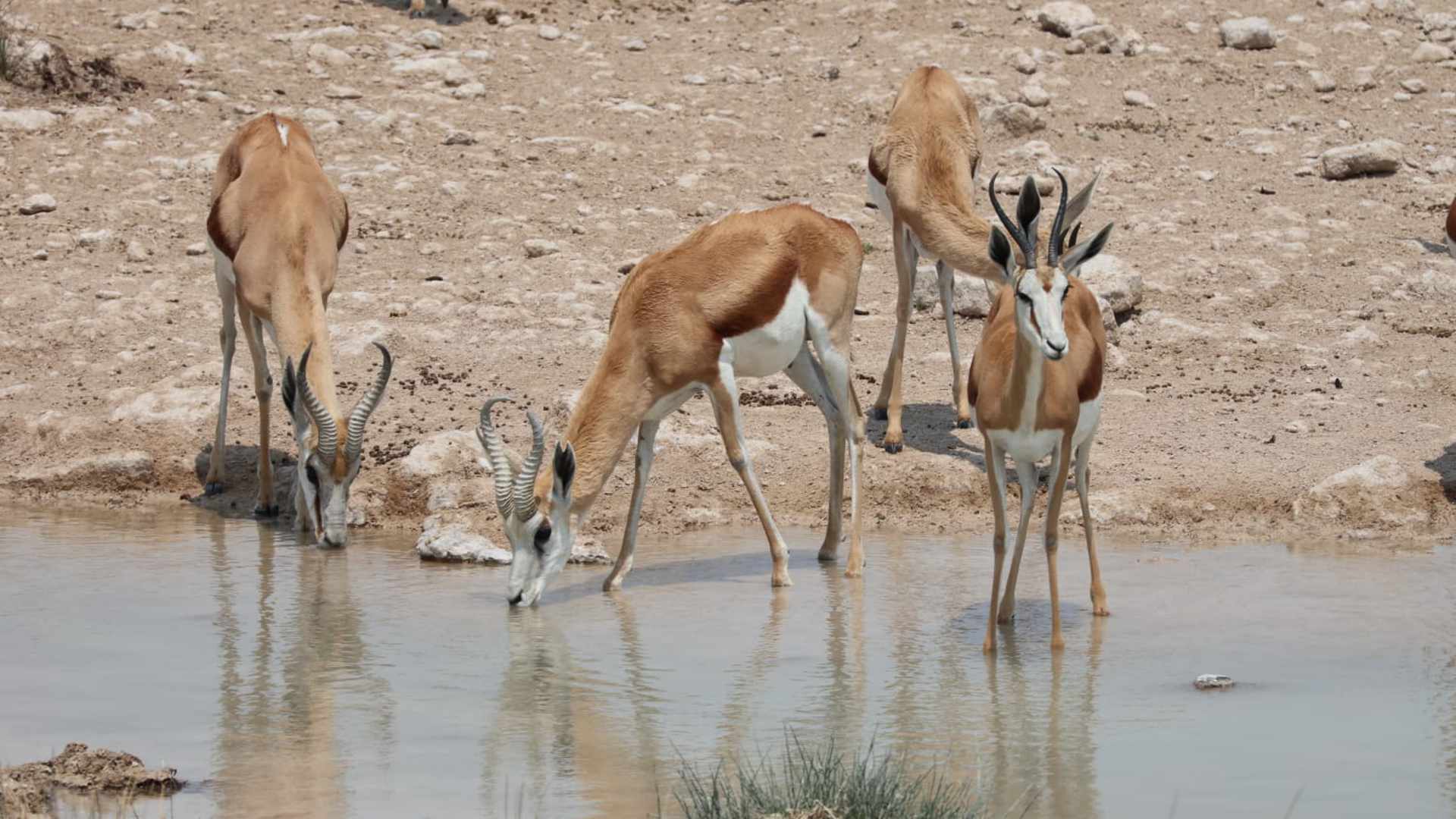
Safari in Etosha National Park Wake up at dawn to experience one of the most intense moments of an African safari, when night gives way to day and the savanna comes alive: predators return from their nighttime hunts, and large herbivores begin moving toward the waterholes. The entire day will be dedicated to a safari in Etosha National Park, one of the best places in Africa for wildlife viewing. We’ll have the opportunity to spot African elephants, rhinos, lions, antelopes, and numerous bird species in a spectacular, largely untouched natural setting—ideal for a photo safari as well. Return to camp at sunset, dinner under the African stars, and an overnight stay immersed in nature.
Fourteenth day
Waterberg: History of the Herero People
Transfer to the Waterberg Plateau, a spectacular highland region steeped in history: in 1904, it was the site of the Battle of Waterberg between German colonial forces and the Herero people, a pivotal event in Namibian history. Today, monuments and memorial sites honor the victims and commemorate the event’s national significance. After setting up camp, a short sunset hike to watch the plateau turn red. Dinner and overnight stay.
Fifteenth day
Trekking in the Waterberg We will explore the many trails of the Waterberg, a landscape reminiscent of a natural fortress, observing dik-diks, buffalo, and stunning vegetation.
After lunch, we will depart for Windhoek. Dinner and overnight stay in the city.
Sixteenth day
Departure at dawn and a brief tour of Windhoek. Return flight to Italy in the afternoon.
Seventeenth day
arrival in Italy.
overnight stay on a farm, in a tented camp, or in a hostel
local transportation during excursions
full board
meeting with the San people
guide/interpreter
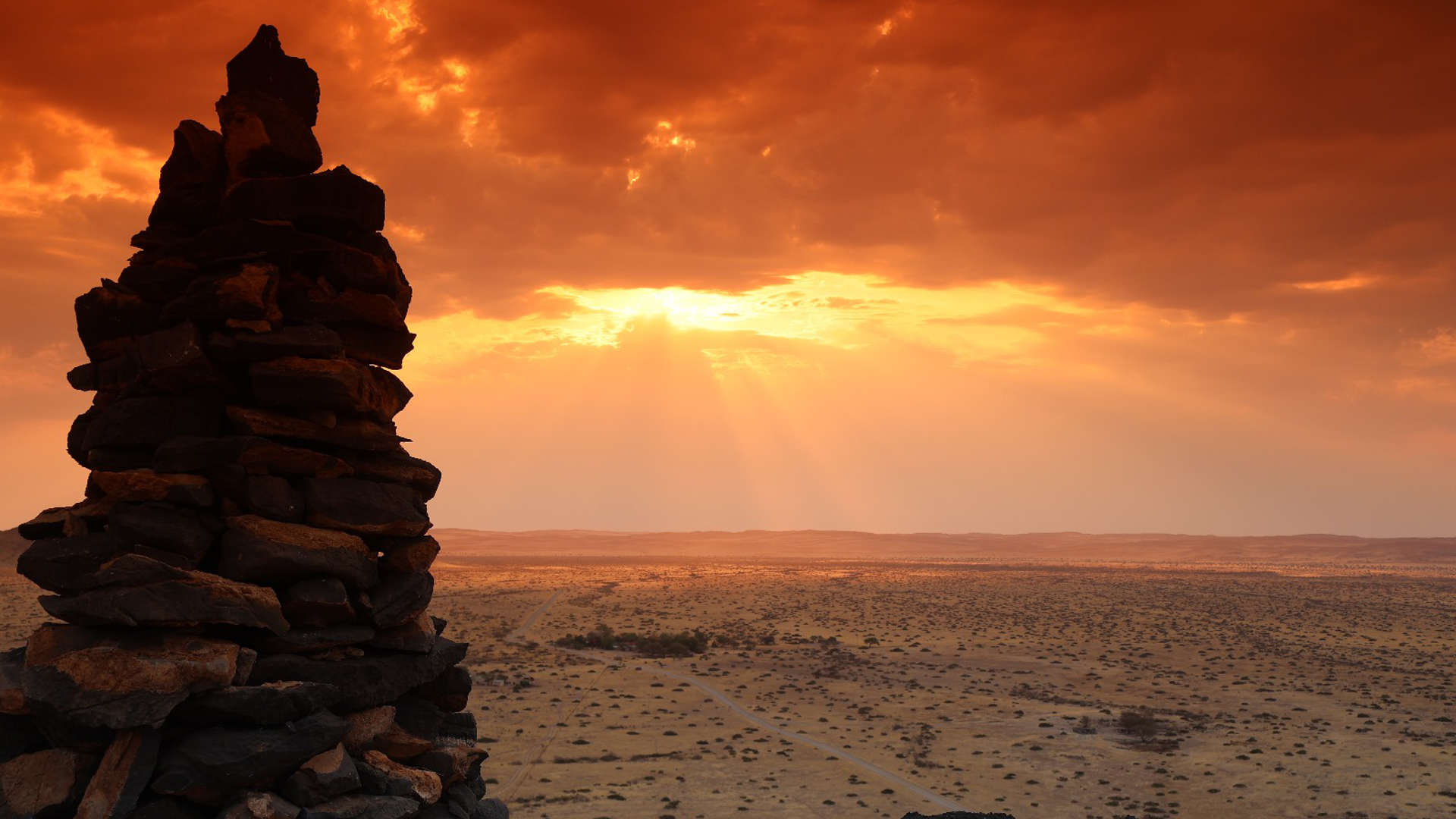
the pink granite sunset over the Spitzkoppe
health and baggage insurance
truck rental with driver
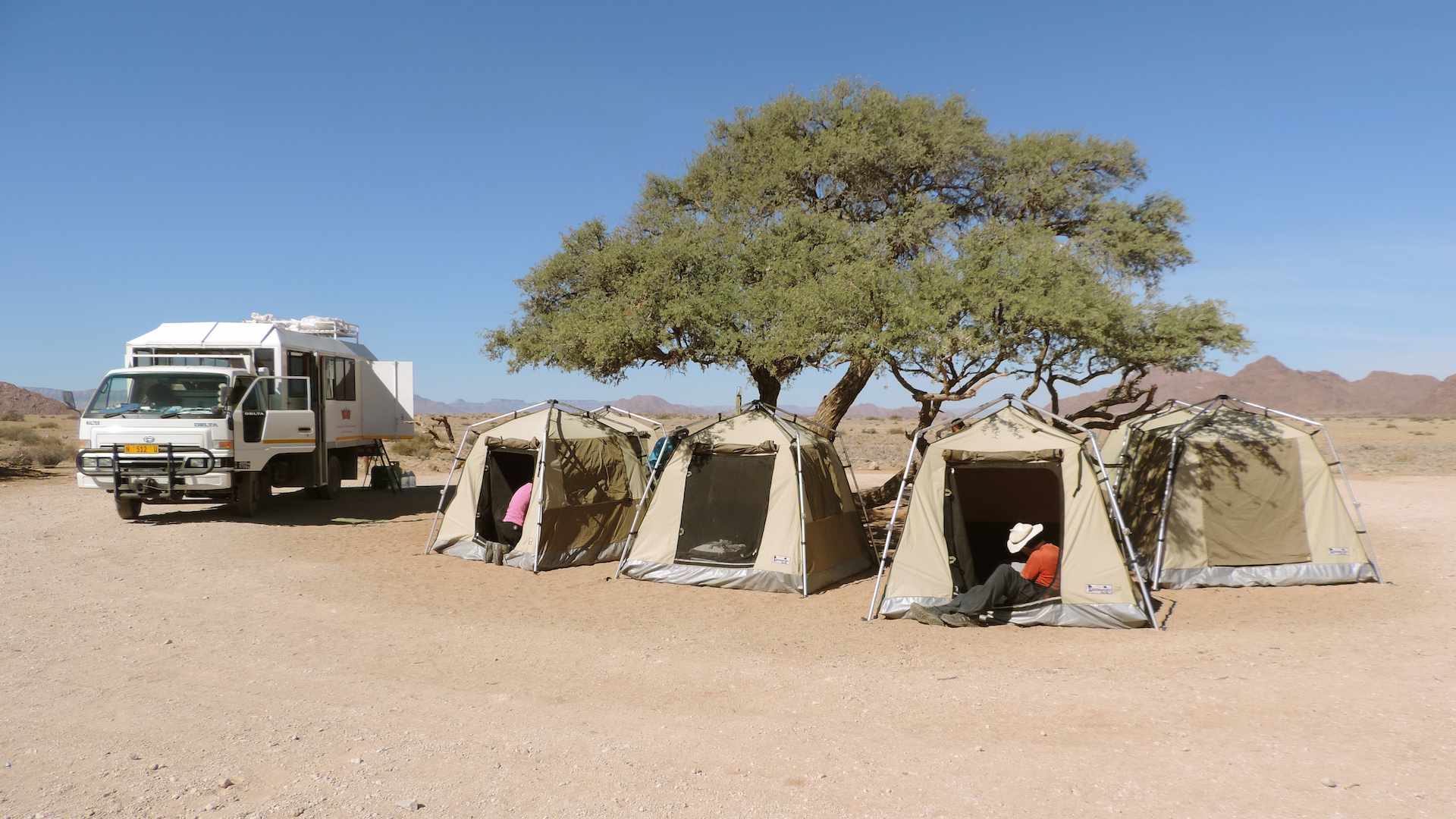
tents and sleeping bags provided on site
Round-trip international flight to Windhoek, beverages, personal expenses on site, visa (approx. 85 euros), and anything not specified under "Included."
A shared fund of approximately 400 euros per person will be managed on site to cover 5 meals, tips, fuel, and park entrance fees and activities. The amount may vary, primarily depending on fuel costs.
Single occupancy supplement: €200.
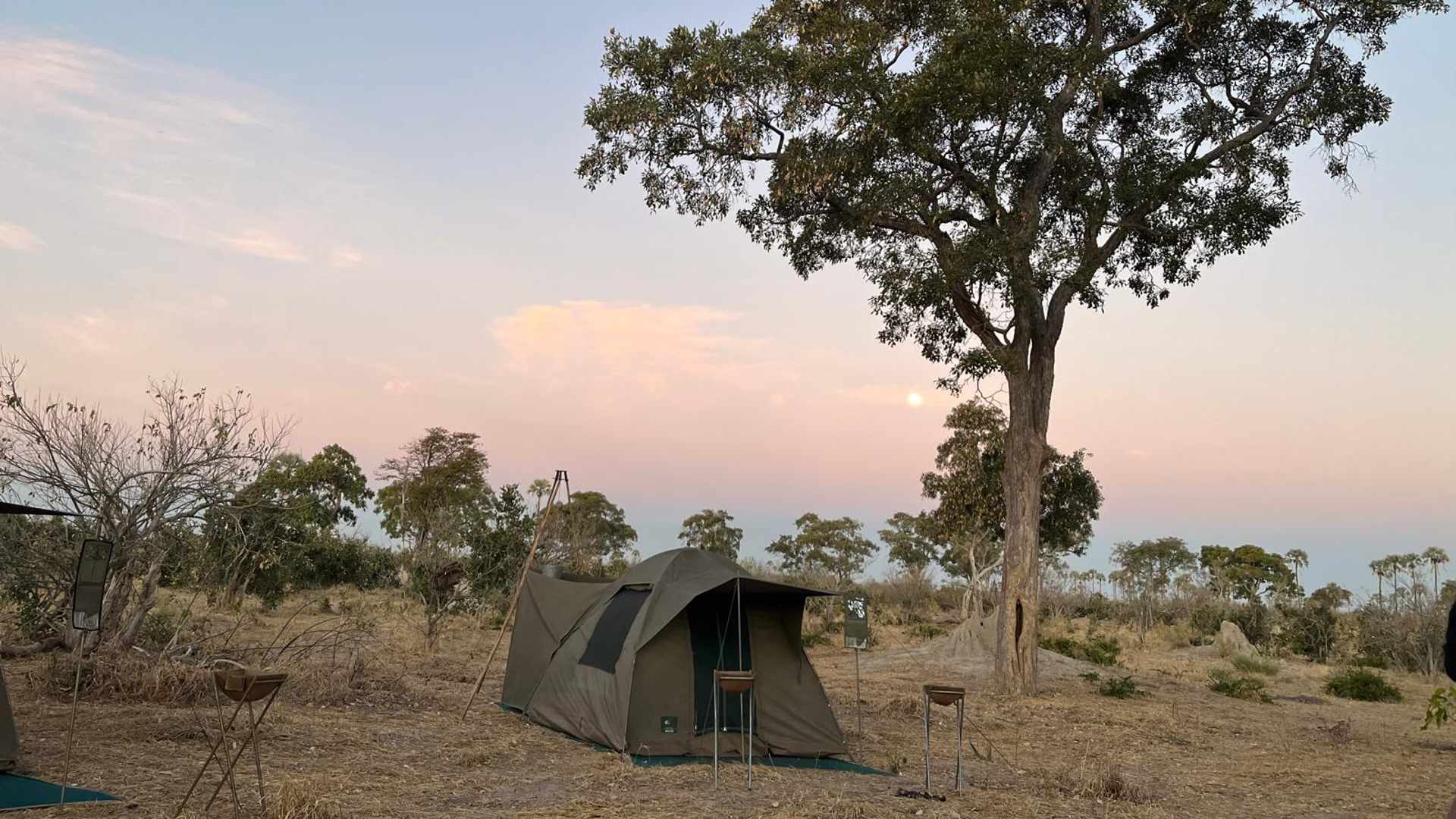
4 nights in a hostel, lodge, or farmhouse, and 10 nights in a tented camp, with sleeping bags, foam mattresses, and pillows provided by the local staff.
Participants are responsible for setting up and taking down their tents. Shared bathroom facilities.
Tour guide
Michele: Qualified and licensed nature guide who is part of the Jonas team. He coordinates the group and accompanies them throughout the trip.
More info
Itinerary information
The program may be subject to change due to weather conditions, traffic conditions, closing times, and/or at the discretion of the tour guide.
Notes
We depart in small groups, with a minimum of 8 people required to confirm the trip.
Important
A shared fund of approximately 400 euros per person will be managed on-site to cover 5 meals, fuel, tips, and park and activity entrance fees. The amount may vary, primarily depending on fuel costs. Please note that the guide does not contribute to this fund, which will be divided among the participants.
As with any active trip, the itinerary may be subject to change—including the order of activities or stops—depending on weather conditions, road conditions, any temporary closures or restrictions at sites, locations, or areas to be visited, as well as the guide’s judgment, who will always act in the best interest of the group and the safety of the participants.
The activity will take place even in case of bad weather, except in situations of weather alerts or conditions that could compromise safety; we therefore recommend bringing gear suitable for possible precipitation and temperature changes.



 overnight stay on a farm, in a tented camp, or in a hostel
 local transportation during excursions
 full board
 meeting with the San people
 guide/interpreter
 the pink granite sunset over the Spitzkoppe
 health and baggage insurance
 truck rental with driver
 tents and sleeping bags provided on site